Your saved folder has a pottery class, a lakeside walk and a trip you cannot afford yet, but Saturday arrives and none feels ready to choose. These bucket list journal ideas give each wish a useful place: why it matters, what would make it possible and what you want to remember afterward.
Start with one list and one experience page. A bucket list journal holds possibilities; a travel journal records a particular trip; an everyday diary can hold both. The difference is what you ask the page to help you decide.
Seven optional iPad PDFs for lists, preparation and memories
I selected seven different starting points below, including loose papers and two planning companions. They are general notebooks, journals or planning sheets rather than dedicated bucket-list templates. You add the experience headings yourself. If your current notebook already has room, use it first.
TL;DR: Choose an experience you actually want, add the smallest next step, and keep a memory afterward. The 25 page ideas below work in an existing notebook. Seven optional iPad PDFs offer different starting points, from numbered papers to preparation and reflection pages. None is a dedicated bucket-list kit.
Quick Picks
- Best for a list organized by experience type: Digital Notebook
- Best for adding a wish list to your existing notebook: Digital Notebook Papers – GoodNotes
- Best for a small decorated shortlist: Undated Cute Orange Bullet Journal
- Best for monthly wishes and a loose ideas page: Digital GoodNotes Journal – Art Deco
- Best for the story after the experience: Digital Ruled Journal
- Best for an experience with several preparation steps: Project Planner – Printable & Digital
- Digital Notebook – Best for a list organized by experience type
- Digital Notebook Papers – GoodNotes – Best for adding a wish list to your existing notebook
- Undated Cute Orange Bullet Journal – Best for a small decorated shortlist
- Digital GoodNotes Journal – Art Deco – Best for monthly wishes and a loose ideas page
- Digital Ruled Journal – Best for the story after the experience
- Project Planner – Printable & Digital – Best for an experience with several preparation steps
- Quarterly Planner – 3-Month Goal & Produ – Best for placing wishes in a seasonal window
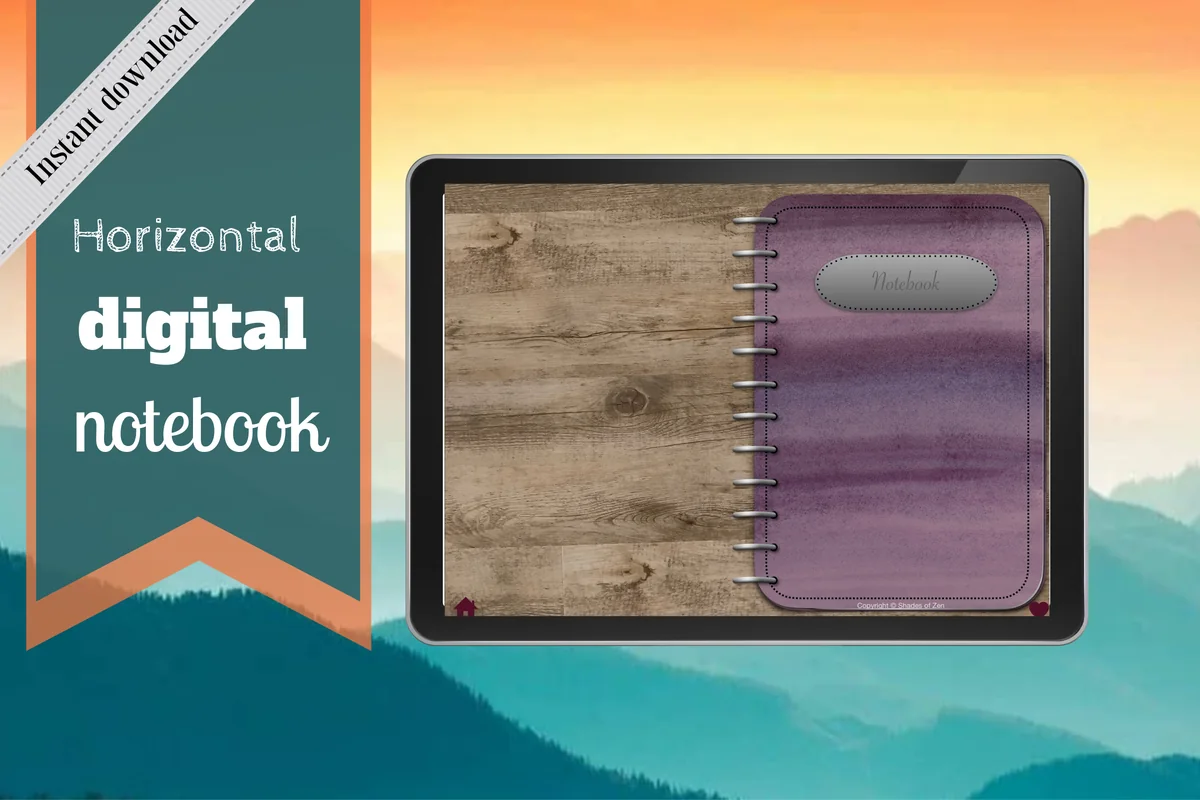
Best for a list organized by experience type
1. Digital Notebook
Orientation: Landscape
Best for: separating nearby outings, bigger wishes and memories. Designed by Shades of Zen.
- Twelve sections with linked tabs and individual dividers
- Sixteen note templates, including blank, dot grid, lined, graph, columns and Cornell notes
- For GoodNotes or another PDF annotation app
The section index gives each kind of experience a home: local, solo, shared and someday. I like the two-column pages for a wish on the left and the next practical step on the right. You supply the bucket-list headings. The landscape spread and decorative rings leave less uninterrupted width than a plain portrait sheet.
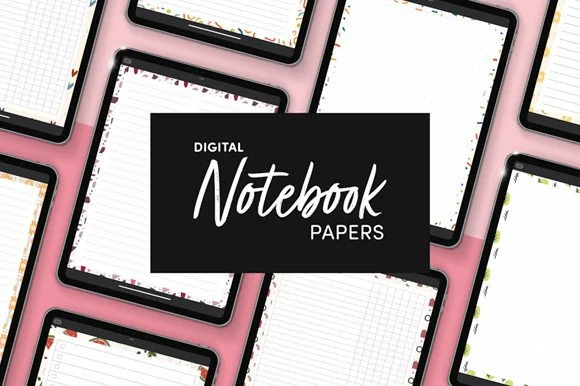
Best for adding a wish list to your existing notebook
2. Digital Notebook Papers – GoodNotes
Orientation: PortraitFormat: PNG and PDF
Best for: building a numbered list without buying another full journal. Designed by catsquills.
- Nine portrait paper designs, each offered in eight layouts
- Numbered list, columns, to-do, dots, square grid, lines and notes shown in the gallery
- PNG and PDF files for GoodNotes and Notability
A numbered list is enough for a first page of experiences. Use the column layout for estimated time and a next step, or a notes sheet for a photo and a few sentences afterward. These are loose papers, not a linked journal with a ready-made index. Import only what you need and keep your own navigation simple.
Best for a small decorated shortlist
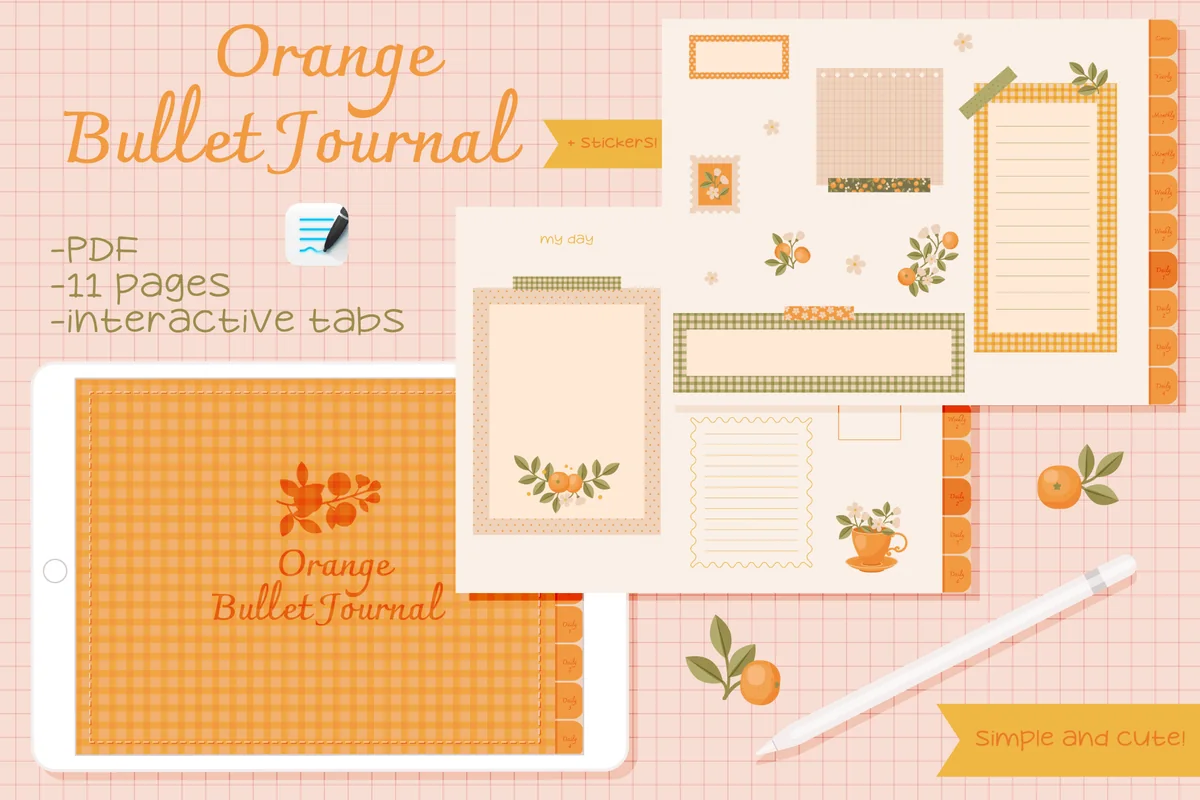
3. Undated Cute Orange Bullet Journal
Orientation: LandscapeDates: Undated; fill-in calendar
Best for: keeping a few experiences beside a fill-in calendar. Designed by digitaliya_studio.
- Undated PDF bullet journal with GoodNotes import instructions
- Fill-in month calendar, weekly arrangements and decorative writing frames visible
- Stickers in .goodnotes format; 32 stickers advertised in the gallery
The small orange frames invite a short list rather than a lifetime inventory. Put one nearby outing in each frame, then write its date on the fill-in calendar. There is little space for research or a long after-note, so this suits a light seasonal page. It is a general bullet journal, with no dedicated bucket-list prompts shown.
Best for monthly wishes and a loose ideas page
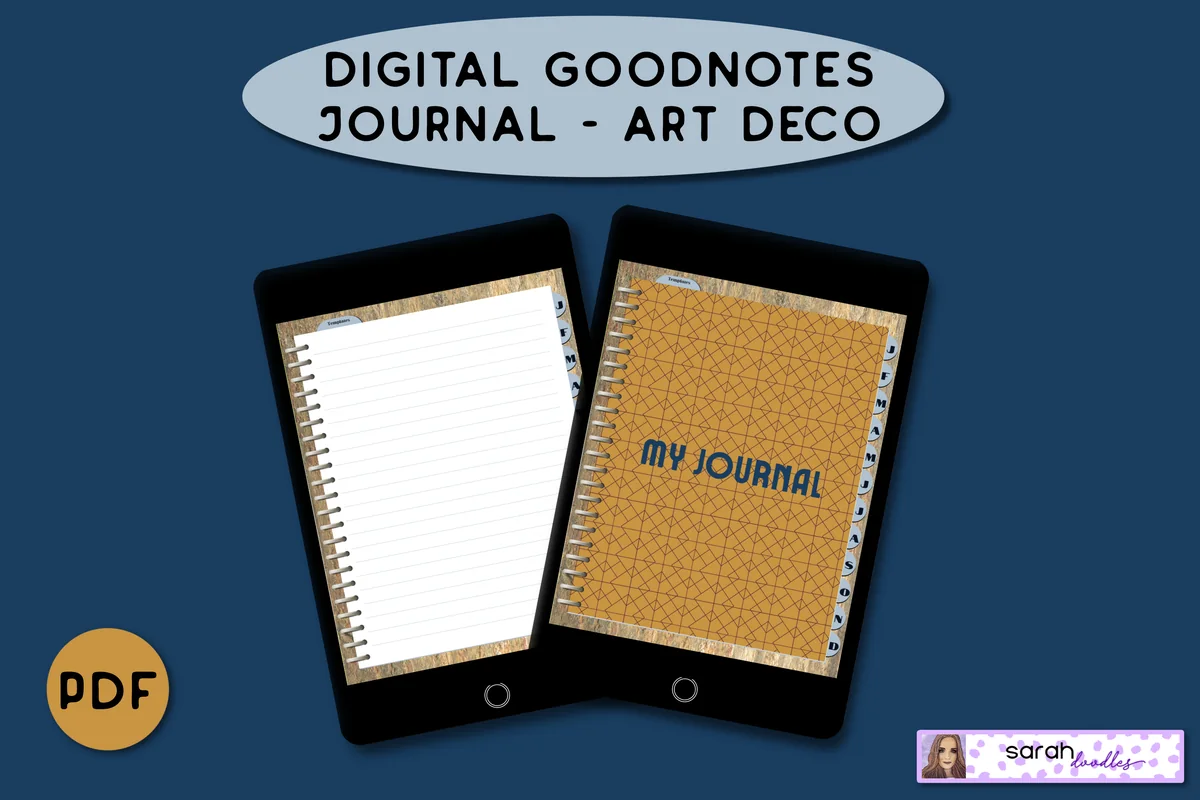
4. Digital GoodNotes Journal – Art Deco
Orientation: PortraitLayouts: Lined, brain dump and priority columnsDates: Undated monthly dividers
Best for: separating a month’s chosen experience from a longer wish list. Designed by Sarah Doodles.
- Undated PDF journal for GoodNotes, Notability, Xodo and other annotation apps
- Linked monthly dividers and five lined pages per month
- Brain-dump and Important/Not Important layouts appear in the gallery
A brain-dump page can hold the unfiltered wishes; a monthly lined page can hold the one you choose. The Art Deco dividers give a clear monthly rhythm without turning every dream into a deadline. Duplicate pages in your app as needed. No specialist preparation sheet or bucket-list checklist is pictured, and the listing specifies personal use.
Best for the story after the experience
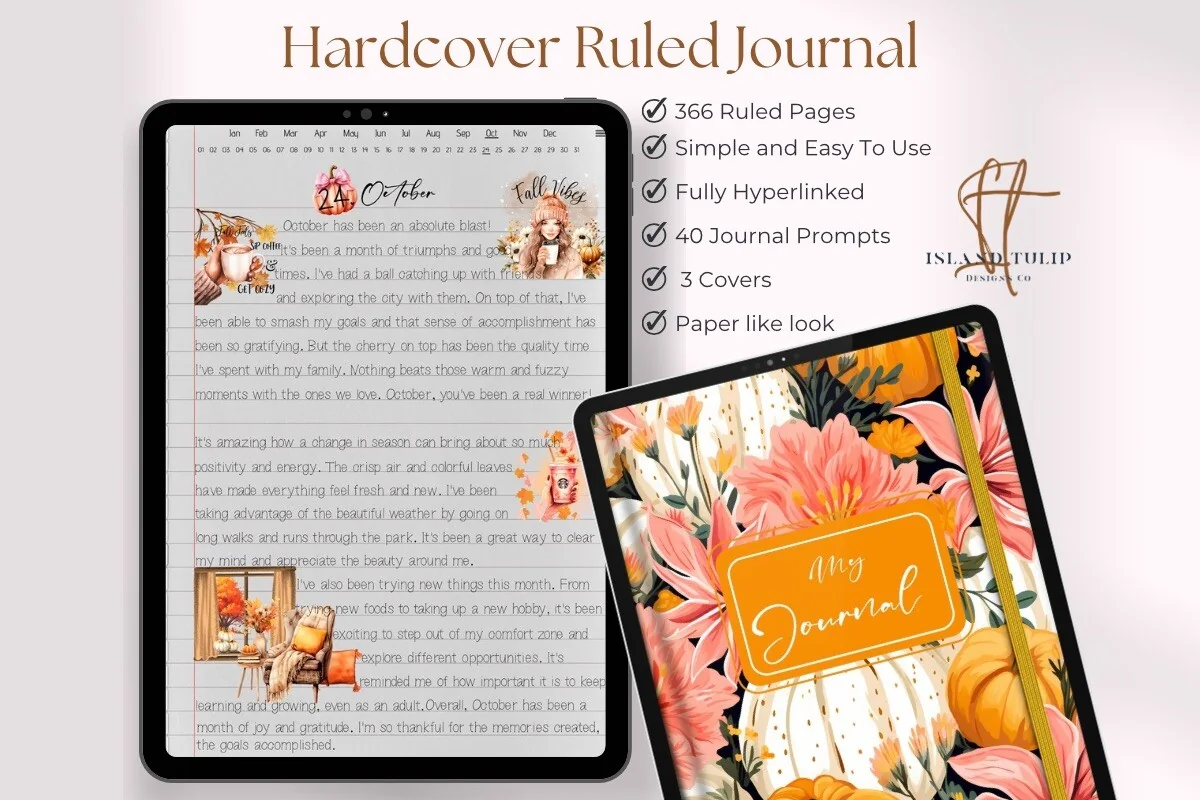
5. Digital Ruled Journal
Orientation: Portrait
Best for: writing longer memories in chronological order. Designed by Island Tulip Designs Co.
- 366 ruled pages and three cover choices
- Month/day index and a lined daily page shown in the gallery
- Forty PNG and precropped GoodNotes journal prompts
This is the writing-first option. Record what the experience actually felt like, including the ordinary detail that a checkmark misses. The dated-style index groups days beneath months without a weekday/year calendar mapping. That structure is less helpful for browsing wishes by category, so keep your master list elsewhere or add a manual reference. The included prompts are general journaling prompts.
Best for an experience with several preparation steps
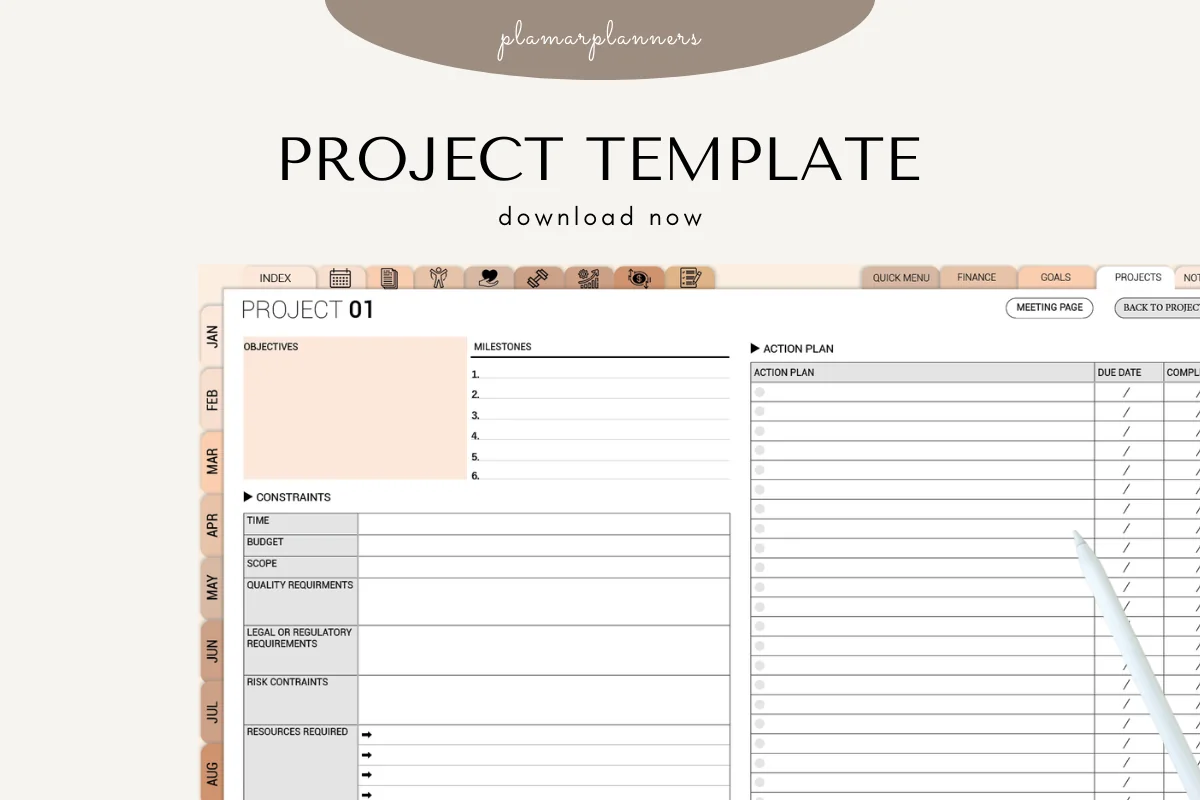
6. Project Planner – Printable & Digital
Orientation: Landscape
Best for: planning a workshop, performance or other more involved wish. Designed by Plamarplanners.
- Landscape project sheet with objectives, milestones and an action-plan table visible
- Constraints include time, budget and resources in the pictured layout
- Printable PDF and tablet version described; GoodNotes, Notability and Xodo named
For a wish such as performing at an open mic, a milestone column has a purpose: choose material, rehearse and check the venue’s requirements. The constraints box keeps preparation realistic. This is more structure than a picnic needs. The gallery shows one project layout in color variants. Do not assume the separate page types listed in the description are additional layouts.
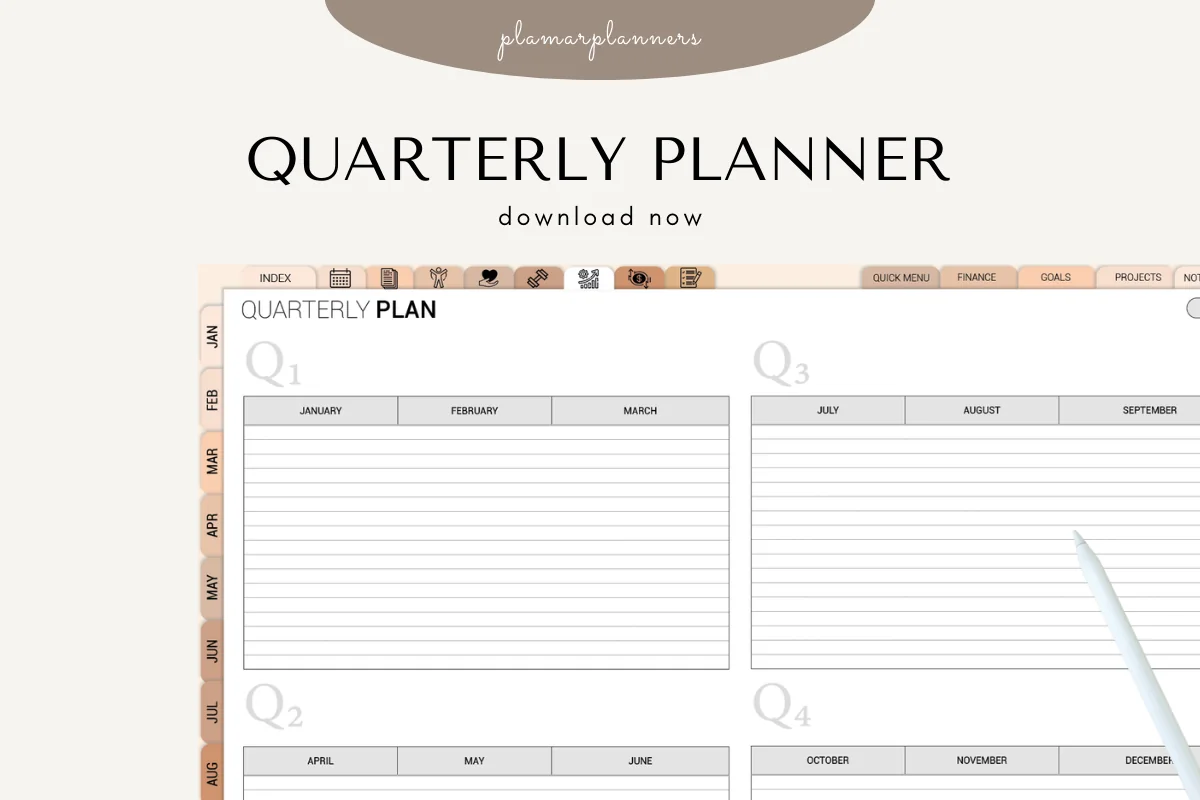
Best for placing wishes in a seasonal window
7. Quarterly Planner – 3-Month Goal & Produ
Orientation: LandscapeDates: Undated; January–December headings
Best for: giving a few experiences a month without planning every detail. Designed by Plamarplanners.
- Q1–Q4 overview with named months and lined columns visible
- Four color treatments of the same overview in the gallery
- Undated PDF with tablet use, GoodNotes and Notability described
Use the month columns to park an outdoor wish in a plausible season, then keep its details in a notebook. I see this as a companion overview, not a full bucket-list journal. The previews do not show the advertised weekly and reflection layouts. If those are essential to your choice, ask the seller to show them before buying.
Quick Comparison
| iPad PDF | Experience-list use | Starting layout | Limit to know |
|---|---|---|---|
| 1. Digital Notebook | Custom categories and preparation notes | Blank, grid and column pages | Every bucket-list field is reader-created |
| 2. Digital Notebook Papers – GoodNotes | A compact list inside an existing journal | Numbered lists and column sheets | Separate papers; no linked notebook promised |
| 3. Undated Cute Orange Bullet Journal | A few seasonal wishes and dates | Calendar and decorated writing frames | Compact spaces restrict longer entries |
| 4. Digital GoodNotes Journal – Art Deco | Monthly selection and open-ended wishes | Lined pages and brain-dump layouts | You create the experience fields |
| 5. Digital Ruled Journal | Longer after-notes and memories | Ruled pages with a month/day index | Chronological rather than category-based |
| 6. Project Planner – Printable & Digital | A larger experience with preparation | Objectives, milestones and action plan | One visible layout; not a memory journal |
| 7. Quarterly Planner – 3-Month Goal & Produ | A seasonal overview of chosen wishes | Quarter blocks and month columns | Details and memories need another page |
25 bucket list journal ideas that make wishes easier to choose
These bucket list bullet journal ideas are formats you can adapt to your own wishes. Pick one from the first group, one practical check from the middle and one memory idea from the end. A list can include a small pleasure near home as readily as an ambitious trip.
Find experiences that belong to you
- 1Sort wishes by feeling. Make four headings such as curious, connected, peaceful and playful. Put “take a beginner pottery class” under curious rather than forcing it into a travel category. Beside it, write what you hope to feel. When you want a quiet weekend, this page helps you choose something that fits rather than the most impressive item.
- 2Keep an at-home possibilities list. Write experiences you can have without a journey: cook one unfamiliar dish, listen to an album without multitasking or make a tiny indoor photo exhibition. Add what you already own beside each idea. This is a real part of the list, not a consolation page for the wishes that cost more.
- 3Notice places nearby. Choose a small area you can reach comfortably and list places you have not explored: a public garden, a local gallery or a different library branch. Leave space for opening hours and where you found them. Verify those details with the place itself when you decide to go; an old saved post may be out of date.
- 4Make a one-day shortlist. Separate experiences that fit within a day from those needing an overnight stay. Include the journey home and recovery time, not only the activity. “Spend two hours at the coast” might occupy most of a day once transport is included. A realistic time note makes a wish easier to choose on an actual free date.
- 5Try a skill once. Write a sample experience rather than a mastery goal: attend a taster class, sketch one building or try a beginner dance session. Add “one session counts” beneath it. I like this page for curiosity without a commitment to a new identity, a year of lessons or a room full of equipment.
Choose company, cost and comfort
- 6Keep an invitation page. Put an experience beside the person you might invite, then add “ask first.” A shared picnic is a possibility until the other person wants it too. Leave a second option for doing something different together. Avoid turning someone else’s availability into an unchecked task they never agreed to.
- 7Give solo wishes their own space. List experiences you would enjoy by yourself, such as visiting an exhibition slowly or taking a daytime café sketching break. Add a practical comfort note: familiar route, quiet time or a place to sit. This makes solo choices deliberate rather than treating them as the version left over when nobody else is free.
- 8Write a lower-cost version. Pair an expensive wish with a smaller experience that keeps its appeal. A distant food tour might become trying one unfamiliar dish locally. Keep both entries if you want both; the smaller one does not have to erase the larger dream. Write the actual appeal, such as tasting something new, before choosing the alternative.
- 9Add access and comfort notes. Give each promising idea a line for practical needs: step-free access, seating, quieter hours, dietary requirements or a companion. Record questions rather than assumptions and ask the venue when necessary. The journal is a place to remember what to check, not proof that a location or activity will meet your needs.
- 10Name a weather or season window. Write a loose window such as “cool morning” or “after the rainy season,” then add an indoor alternative. For summer bucket list journal ideas, shade, heat and opening times may matter more than a decorative sun icon. Keep exact forecasts out of long-term promises; check conditions when the date approaches.
Turn a wish into a possible experience
- 11Count the whole time needed. Give one entry three small fields: activity, travel and buffer. Add them before deciding whether the wish fits a free afternoon. If transport details are uncertain, write “check route” instead of a confident total. A shorter local version can stay beside the original for days when your available time changes.
- 12Make a preparation mini-checklist. Choose one wish and write only the actions needed before it: check access, ask a friend, reserve a place or gather something you already own. Stop when the list describes preparation rather than the whole experience. A casual picnic does not need a project plan, while a performance may genuinely need several rehearsal steps.
- 13Save the booking reference. Create a small research box with the official page, the date you checked it and the next date worth checking. Keep a reservation number in your private notes if useful, but avoid putting personal details on a page you plan to share. A saved URL is a reminder to verify availability, not a booking itself.
- 14Set a spending ceiling. Write the amount you are comfortable spending on this experience, including transport and extras. Then compare the actual options against that personal limit. Include small costs such as equipment rental so the total is useful. If no option fits, leave the wish waiting or try its smaller version.
- 15Separate important from optional. Mark a few wishes “really want” and leave the rest “curious.” Add one sentence explaining the distinction. For example, seeing a favorite musician may matter deeply; trying a fashionable café may only be passing interest. You can enjoy both without letting the newest saved idea repeatedly displace the one you care about.
Keep the list yours as circumstances change
- 16Ask why it still matters. Return to one long-standing wish and finish “I want this because…” If the answer is specific, keep it. If you cannot find an answer, put a question mark beside it and leave it for later. The purpose is to notice whether the experience still interests you, not to defend every old entry.
- 17Spot the borrowed wish. Make two columns: “what attracted me” and “would I want it without the photo?” Use them for an experience you saved after seeing someone else do it. Keep the wish if it feels yours; remove it if it does not. This is a private choice, not a judgment about the person who inspired the idea.
- 18Design a tiny first version. For a big wish, write a small experience that lets you try its central appeal. Before a long walking trip, that might be a short accessible local route. Before committing to a creative course, it might be a single introductory session. Trying a version gives you information without pretending it proves readiness for the larger activity.
- 19Build a shared page by agreement. If you are making a couples or friends list, ask each person to suggest a few experiences and say which ones they actually want to share. Keep separate wishes separate. Add a place to revise the plan together, rather than marking agreement once and assuming it lasts indefinitely. A joint page does not require joint ownership of every dream.
- 20Choose one wish for this month. Move one possible experience into a “this month” box with a first step and a date to reconsider it. Keep the rest on the master list. For dates beyond this month, a future log gives the reminder somewhere to wait without crowding today’s tasks.
Record the experience and let the list evolve
- 21Give unfinished experiences a neutral status. Use words such as waiting, partly tried or changed instead of a red failure mark. Add the reason if it will help next time: the venue closed early or the timing did not suit you. You can return to it, change it or let it go. Completion is not the only useful outcome of trying something.
- 22Pair one photo with an honest after-note. Choose a photo or a quick sketch and write three lines: what happened, what surprised you and whether you would repeat it. A ticket or a date can anchor the memory, but decoration is optional. For a bigger trip, use these as starting points for a fuller travel journal entry.
- 23Save the unplanned discovery. Leave a box called “not on the list.” Record the small thing you found along the way: a conversation, a view or a new favorite flavor. This keeps the journal open to experiences you could not schedule. Do not add it to the original wish just to make the day look as if everything went according to plan.
- 24Retire an item without replacing it. When a wish no longer fits, cross it out lightly and add “not for me now.” You do not need to fill the empty slot immediately. If the reason is temporary, move it to waiting; if your interest has gone, remove it. A shorter list can represent your current preferences more accurately than a longer inherited one.
- 25Make a seasonal page inside the same journal. Choose a few wishes suited to the next season and copy short references onto one page. Keep the main details in their original entries so you do not maintain two competing plans. Add a small end-of-season note about what you enjoyed. One reusable section is enough; a new notebook for every season is optional.
Build one experience page before designing the whole journal
A simple bucket list journal page needs a wish, a reason, a practical check and a place for the story afterward. Start with a blank or ruled page. Here is a three-step entry for “try pottery.”
- 1Name the experience. Write “try a beginner pottery session” rather than “become creative.” Under it, add a reason: you want to work with your hands and try shaping something. Keep this reason in your own words; it helps distinguish a personal wish from a nice-looking saved image.
- 2Check what could make it possible. Add your comfortable cost limit, the time you can spare and any access questions. The next step is to check a suitable class’s current details, not assume that a session exists at a convenient time. Leave a small box for the answer and the date you checked.
- 3Choose a status and leave memory space. Mark it waiting until you decide to book. After the session, add a short note about what you enjoyed and whether you want another try. A photo is optional. If you decide against it, record the reason and keep the page as a useful decision.
Keep wishes, booked dates and memories in different places
A wish is not a commitment. The status key below separates possibilities from plans you have chosen. Write the words as well as using colors; the meaning should stay clear in a plain screenshot.
- Wish: interesting, with no action expected yet.
- Checking: one question needs answering before you decide.
- Chosen: you have decided to try it; add the actual date separately if booked.
- Remembered: you have an after-note, whether you would repeat the experience or not.
- Waiting or retired: the idea is paused or no longer yours.
Use a calendar reminder for a real reservation or deadline if that helps you remember it. These PDF pages do not make bookings or automatically synchronize your wish list with a calendar. For an interest that becomes a regular practice, a hobby journal is a better home for repeated sessions than an ever-growing bucket-list checklist.
Choose a PDF for the part you need help with
- Lots of unrelated wishes: a sectioned notebook keeps local, solo and longer-term ideas apart. Rename sections yourself.
- A short list in a notebook you already use: loose numbered papers avoid another large journal to maintain.
- A few decorated seasonal entries: the Orange journal offers small frames and a fill-in calendar.
- Choosing one wish per month: Art Deco provides monthly dividers and lined pages.
- Long after-notes: the ruled journal gives more writing room than a compact checklist.
- A wish with dependencies: the project sheet supplies an action plan; the quarterly sheet supplies a month window. Neither replaces a place for memories.
I reviewed the product descriptions and public gallery previews; I have not tested the purchased files. Check the seller’s current contents and the app you plan to use before buying. You do not need a dedicated bucket list book to begin: a few blank pages can hold exactly the same prompts.
FAQ: starting a bucket list journal
What should I put on a bucket list?
Start with experiences you want to have, rather than achievements you think should impress someone. A nearby outing, one unfamiliar meal and a skill taster give you three different kinds of possibility. Add the reason each interests you. These are suggestions, not a universal list of experiences everyone should want.
Do I need 50 or 100 things on the list?
No. Begin with a handful you can picture choosing between. The 25 ideas here are ways to arrange and explore wishes, not a required number of experiences. Expand the list when a new wish matters to you, rather than filling empty spaces to reach a target.
What is the difference between a bucket list and a to-do list?
A bucket list keeps possibilities you might choose; a to-do list holds actions you intend to take. “Try a pottery session” can wait as a wish. “Check the class time” becomes a task only when you decide to investigate it. Keep the distinction visible with a status word.
Can I use an empty diary instead of buying a template?
Yes. Put a master list at the front and give chosen experiences a page elsewhere, with a page number or bookmark to find them. If the empty page is the obstacle, try the simple starting formats in these digital journaling ideas. A new PDF is optional.
Can these ideas work for a travel bucket list?
Yes: keep the wish and its reason in the main list, then use a separate trip page when you start planning a specific journey. Travel bucket list journal ideas can include a smaller nearby version, an access question and room for the memory. Avoid treating saved transport or venue details as current until you check them.
Will the PDF arrange bookings or share a live list?
The selected products provide pages for manual annotation. No automatic booking, itinerary import or live collaboration is promised here. App features vary, and the listing’s mention of an app is not a test of every interaction. Choose a separate tool if automatic reminders or shared editing are essential.
Let one wish become a real memory
The most useful bucket list journal ideas help you choose something you want and make room for the result. Write one wish, one reason and one small next step today. Leave enough space for the honest after-note, including the possibility that you will be glad you tried it once and do not need to do it again.
You May Also Like
This article contains affiliate links. If you buy through them, I may earn a commission at no extra cost to you. Read the affiliate disclosure.